Research-led buying guide · Household preparedness
Best sleeping bags for emergency use at home
A reusable sleeping bag can keep adult spare bedding together and reduce draughts. Choose fit and a sensible comfort margin before relying on a printed temperature.
Quick answer
Best sleeping bags for emergency use at home: the short answer
The Vango is the value enclosed bag, Coleman buys room, and Snugpak offers bulkier insulation. Existing duvets may already do the job.
- 01
Choose Vango Alpha 250 when its regular mummy fit and documented comfort rating suit.
- 02
Choose Coleman Biscayne for space in milder indoor conditions; check the import lead time.
- 03
Consider Snugpak Expedition for a cold-room plan, while treating its maker ratings cautiously.
- 04
Always include insulation underneath and a plan to move somewhere warmer if needed.
The picks
The researched shortlist
Three exact models, selected for different needs. Prices are snapshots of the Amazon UK source listings; country, seller, stock, delivery and promotions can change.
Vango Nitestar Alpha 250, Neptune Blue regular
Best for: An adult up to about 190cm who is comfortable in a mummy shape
The Vango combines a hood, draught control and a documented comfort figure at the lowest checked price. Its synthetic fill and enclosed shape make it useful when moving to one room for a night, provided the regular size fits. At 1.65kg it is lighter to handle than the Snugpak, although not an ultralight hiking bag.
- Lowest checked price with a documented comfort figure
- Hood and draught baffle reduce exposed openings
- Lighter and smaller packed than the Snugpak
- Regular fit is limited to about 190cm user height
- Mummy shape may feel restrictive
- −4°C limit and −21°C extreme are not comfort targets
Coleman Biscayne 40°F Big and Tall, grey/black
Best for: A larger or restless adult in a milder indoor room
The 99cm-wide rectangular cut offers much more space to turn than the mummy bags. It can open out as extra bedding, making it a useful guest-room item between emergencies. Choose it for movement and familiar bed-like comfort rather than the lowest printed temperature.
- Roomy 81×39in shape for one adult
- Opens into a blanket for ordinary household use
- Manufacturer allows machine washing as directed
- Hoodless design gives less draught control
- No verified ISO comfort rating for this edition
- US-import lead time and support terms need checking
Snugpak Sleeper Expedition WGTE, black left zip
Best for: Adults who accept a large bag and want more enclosing insulation
The Snugpak puts substantial synthetic insulation, a hood and shoulder collar into a budget-friendly bag. For home use, the 2.6kg weight matters less than it would on a walk, provided you have storage and can handle it. It is the option to investigate for a colder room when the Vango seems too modest.
- Substantial fill with hood, collar and zip baffle
- Home storage can make its weight less troublesome
- Useful lower-cost alternative to premium expedition bags
- 2.6kg and a large packed volume
- Experience-based temperature figures cannot be directly ranked against ISO comfort
- Zip fabric needs care; 220cm overall is not the supported user height
Choose for an indoor night, not an expedition name
Choose for an indoor night, not an expedition name
The UK government preparedness checklist includes blankets or sleeping bags. A sleeping bag is useful if you need to move into one room, reduce draughts around the body or keep spare adult bedding together. An existing duvet and warm clothing may be more comfortable and cost nothing.
These recommendations are reusable insulated sleeping bags for adult emergency use at home. They are distinct from everyday throws and thin reflective bivvies. All three use synthetic insulation; none requires a battery.
Start with the likely room conditions, sleeper size and whether that person tolerates an enclosed shape. A roomier rectangle can suit restless sleepers, while a hooded mummy shape offers better control of openings. A restrictive bag that stays in its cupboard is poor value. Browse Outdoor & travel for related reusable equipment.
Read comfort, limit and maker claims differently
Read comfort, limit and maker claims differently
REI’s rating explanation distinguishes standardized comfort guidance for a colder sleeper from a lower-limit figure for a warmer sleeper. Tests assume clothing and insulation underneath. Real people and room conditions vary, so leave a margin above the coldest figure you might encounter.
- Vango Alpha 250: documentation gives +2°C comfort, −4°C limit and −21°C extreme. Plan from comfort with a margin. Extreme describes a survival-related test boundary, not restful sleep or a safe household target.
- Coleman Biscayne: 40°F is about 4.4°C, but we did not verify an ISO comfort certificate for this exact edition. Treat it as a maker guide, and choose it for milder rooms rather than trying to sleep at its advertised boundary.
- Snugpak Sleeper Expedition: −12°C comfort/−17°C low are the maker’s guidance. Snugpak explains that its figures draw on experience and customer feedback with assumptions about clothing, shelter and a mat. They are not directly comparable with Vango’s standardized comfort number.
Do not describe the Snugpak as “14 degrees warmer” than the Vango. The test basis is different. Likewise, a “three season”, “four season” or “expedition” label is not a universal room-temperature guarantee.
Independent coverage also shows why headline names can mislead: CleverHiker’s tested Brazos 30 review found that a different hoodless Coleman bag needed warmer conditions than its nominal 30°F name suggested. That is a considered alternative, not a Biscayne test or a transferable temperature result.
Fit and the surface underneath can decide the outcome
Fit and the surface underneath can decide the outcome
The Vango regular is intended for users up to about 190cm, with roughly 205cm internal length. Its 85cm chest figure is an external flat width, not usable body circumference. The Coleman is about 206×99cm overall and the maker suggests users up to 193cm. The Snugpak’s 220×80cm is an overall product size; do not assume it fits a 220cm person.
Try the intended adult inside wearing likely sleep layers. Check that knees can move, shoulders are not crushing the insulation, feet are not pressing hard into the end and the zip can be opened easily. Mobility and quick access to a light or phone matter during a cut.
A normal mattress is a good starting surface. If sleeping on a floor, use a properly insulating mattress or mat below the bag. Compressed fill underneath the body contributes less insulation, and an uninsulated airbed may feel cold even with a thick bag on top.
Use dry layers and socks and keep the head and face clear of bedding. Do not depend on this consumer shortlist for vulnerable sleepers with special needs; plan appropriate accommodation and support before a cold night. These are adult products, not infant sleep bags.
Readiness
Make it ready before a power cut
Warmth, handling and storage should be checked in ordinary conditions.
- Try the zip, hood and fit indoors, with a mattress or mat. Snugpak family owners mention catching fabric: guide the material clear rather than forcing the zip.
- Follow the delivered wash label and dry fully. Damp synthetic fill is not a substitute for dry bedding.
- Store loosely and dry between uses when the manufacturer advises it, rather than leaving insulation permanently crushed in a compression sack.
- Keep bags away from candles, heaters and cooking equipment, and leave the exit path clear.
- If the room cannot be kept comfortable with clothing and bedding, use the household’s plan for a warmer location rather than trusting an extreme rating.
Our method
How we chose and limits of the evidence
We checked manufacturer documents, exact Amazon UK editions, technical rating guidance and separate owner collections on 29 October 2026. We have not slept in or thermally tested these bags.
The checked offers were Vango £43.95 in stock; Coleman £58.73, in stock via Amazon US import with 5–8 November delivery; and Snugpak £69.25, in stock with 4–6 November delivery. Verify local support, delivery and returns before treating an import as immediately available emergency equipment.
Independent controlled reviews of these exact current editions are sparse. We have not filled that gap by relabelling older or different models as tested. Vango has separate owner evidence of value and packing compromises. Coleman owners repeatedly value room, while Snugpak family owners mention warmth, bulk and occasional zip-fabric snags. Those observations do not establish temperature performance or fault rates.
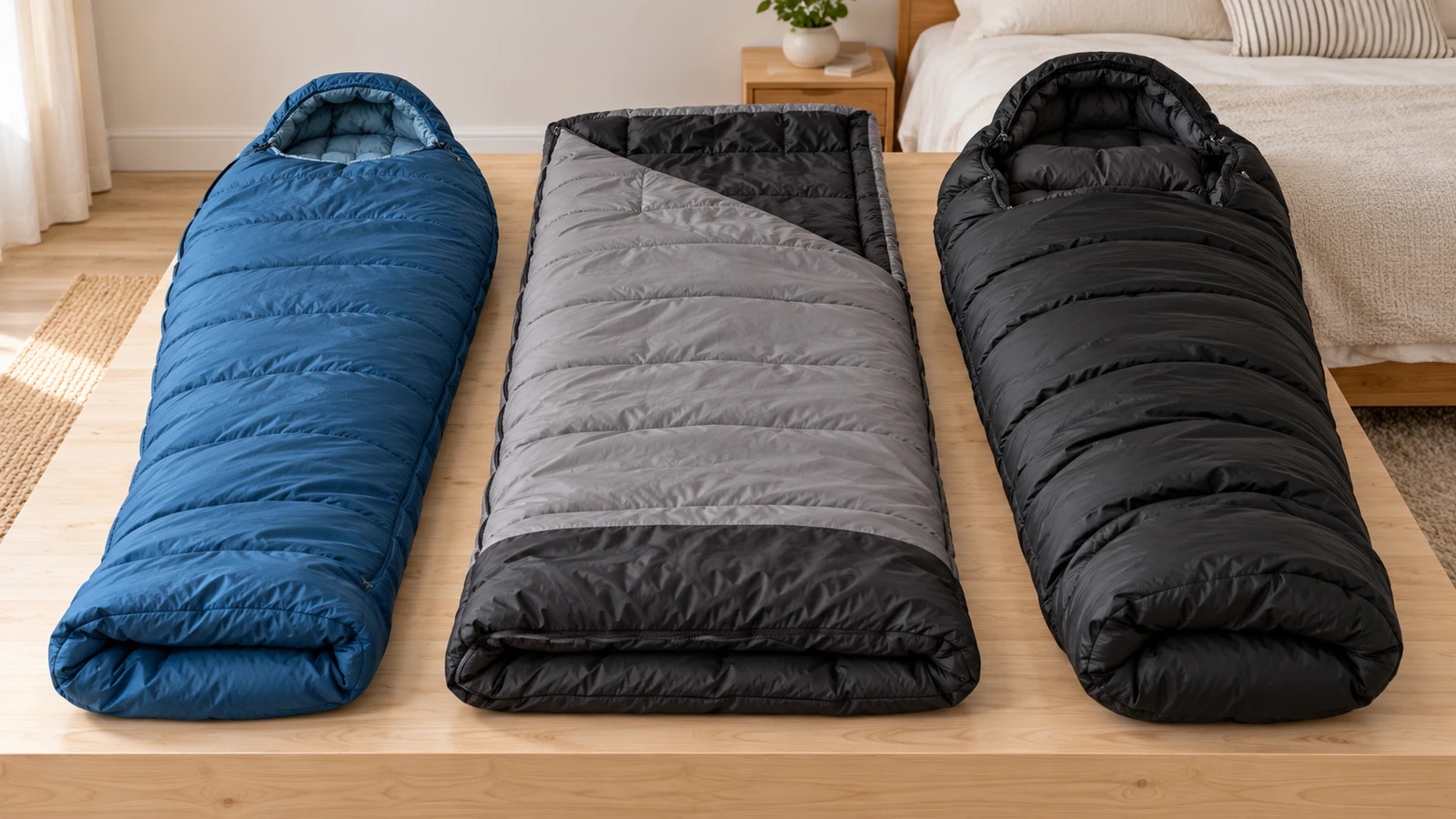
The shortlist deliberately uses entry, alternative and specialist roles: the middle-priced Coleman buys space, while the Snugpak buys bulkier insulation with less comparable rating evidence. Premium low-weight outdoor bags were not necessary for this indoor task. The hero is an AI-generated illustration of blue mummy, grey rectangular and black heavily insulated bag types, not exact stitching or fill verification.
Sources
Sources and checks
Specifications, independent reporting and owner accounts are identified below. All pages were checked on 29 October 2026. Owner reports are anecdotes, not controlled tests; the notes identify model and edition limits.
-
01
UK government: emergency essentials
Checked 29 October 2026. Current official checklist includes warm clothing, blankets or sleeping bags. It does not prescribe a particular temperature rating or expensive system.
Open source -
02
Vango manufacturer catalogue: Nitestar Alpha range
Checked 29 October 2026. Manufacturer-authored 2023 catalogue, mirrored. Nitestar Alpha 250 regular: +2°C comfort, −4°C limit, −21°C extreme; size and fill specifications.
Open source -
03
Coleman: Biscayne 40°F Big and Tall, 2205663
Checked 29 October 2026. Current grey/black PFAS-free edition; 81×39in and manufacturer height guidance. 40°F is not presented here as verified ISO comfort.
Open source -
04
Snugpak: Sleeper Expedition range
Checked 29 October 2026. Manufacturer construction, 2.6kg weight, 220×80cm size, −12°C comfort/−17°C low maker guidance. Colour codes differ by region.
Open source -
05
Snugpak: how its sleeping-bag temperature ratings work
Checked 29 October 2026. Maker explains experience/customer-feedback basis and assumptions about clothing, shelter and a mat. Not an ISO equivalence claim.
Open source -
06
REI: understanding sleeping-bag temperature ratings
Checked 29 October 2026. Qualified outdoor explanation of comfort versus lower limit, laboratory conditions and real-person variation.
Open source -
07
Amazon UK: Vango Alpha 250 Neptune Blue
Checked 29 October 2026. £43.95 new, in stock from Purely Outdoors. Exact regular/Neptune listing; merged Alpha 350/450 and size variants excluded from thermal conclusions.
Open source -
08
Amazon UK: Coleman Biscayne grey/black
Checked 29 October 2026. £58.73 new, in stock via Amazon US import; quoted 5–8 November delivery. 2025–2026 owners repeatedly value space; temperature anecdotes are not tests.
Open source -
09
Amazon UK: Snugpak Expedition black, left zip
Checked 29 October 2026. £69.25 new, in stock from Military-eu; quoted 4–6 November delivery. Current owner evidence is limited and mixed-colour family reviews require care.
Open source -
10
Alpinetrek: Nitestar Alpha 250 owner reviews
Checked 29 October 2026. Separate 2019–2024 owner accounts describe value, hood and packing bulk. The page’s 'tested' wording is not our original testing.
Open source -
11
Military Kit: Sleeper Expedition owner reviews
Checked 29 October 2026. Separate owner collection, including recurring bulk/warmth comments and zip-fabric snag concerns. Mixed colours, not a controlled temperature comparison.
Open source -
12
CleverHiker: Coleman Brazos 30 review, considered alternative
Checked 29 October 2026. Ian Krammer, updated 14 October 2026. Tested a different Coleman bag; useful caution about headline temperatures, hoodless design and packing. Not Biscayne test evidence.
Open source
Guide information and links checked 29 October 2026.